The Architecture of Stillness
The Problem of Attention
We have built an entire civilization around the assumption that more information produces better decisions. Every tool we make accelerates the rate at which signals arrive. And yet the quality of our understanding has not kept pace.
The issue is not bandwidth. It is the architecture of reception.
Stillness as Infrastructure
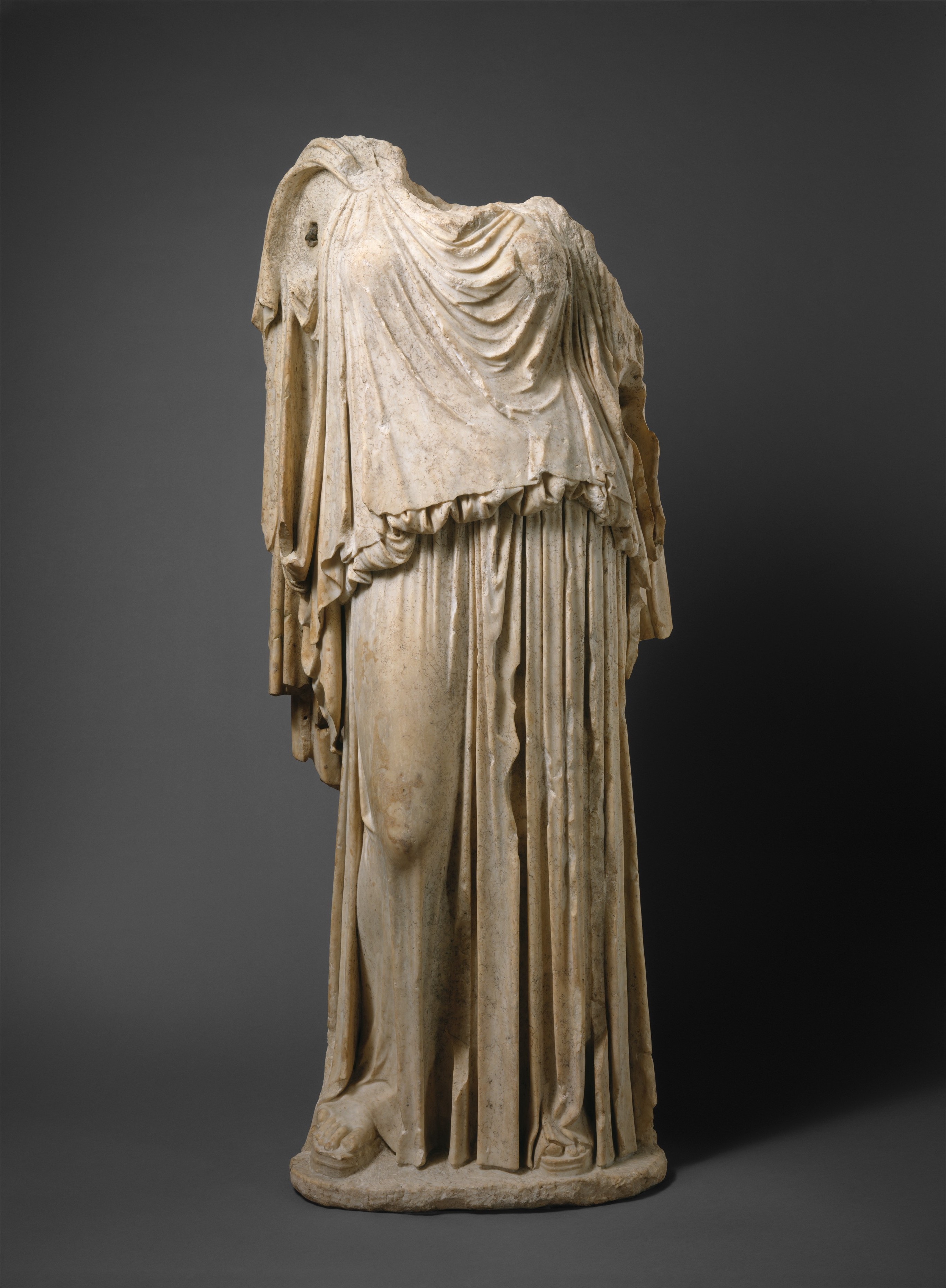
Consider the museum gallery. A single sculpture occupies a room designed to hold nothing else. The walls are bare. The lighting is precise. Every architectural decision serves one function: to create the conditions under which attention becomes possible.
This is not decoration. It is infrastructure.
The quality of attention we bring to a work determines what the work can teach us. — Simone Weil
The Instrument Hypothesis
What if the tools we use for thinking could be designed with the same intentionality as the gallery? Not as productivity software — as environments for a particular quality of cognition.
The knowledge wiki is an experiment in this direction. Each article is presented as a museum presents a collected work: with space, with intention, with the understanding that the act of reading is itself a practice.
What Follows
The implications extend beyond reading interfaces. If attention has an architecture, then every tool we build either supports or undermines it. The question is not whether our tools are fast enough — it is whether they are still enough.